Larimer County reports first human case of West Nile virus in 2026, launches new data dashboard
The Larimer County Department of Health and Environment (LCDHE) has confirmed the first reported human case of West Nile virus (WNV) in Larimer County this year. The adult lives in Loveland, however they may have acquired the disease during recent travel to another state. The individual was hospitalized locally, and is now recovering at home.
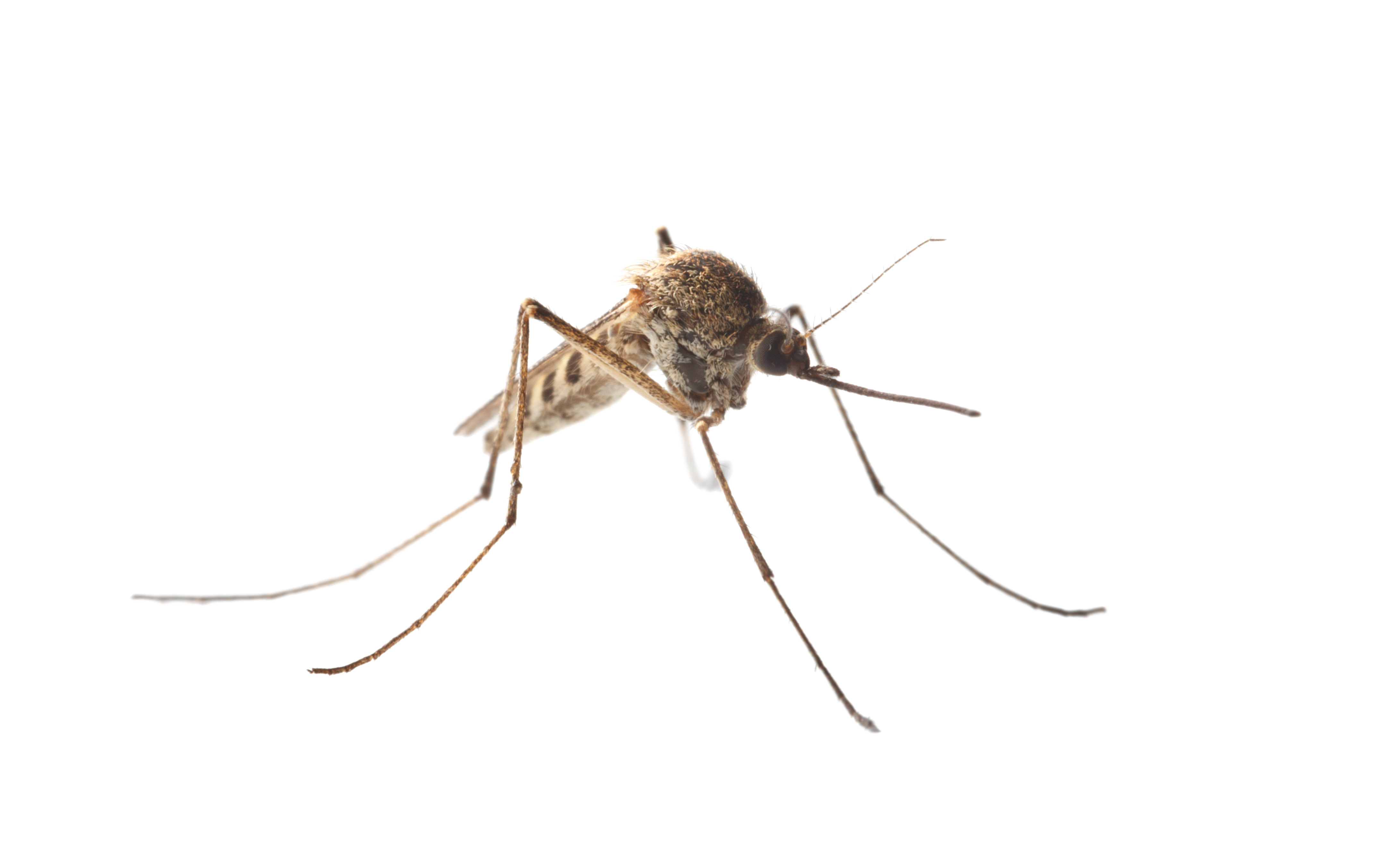
Beginning in June each year, mosquito trapping and testing takes place throughout Larimer County. While no local mosquito samples have tested positive for West Nile virus yet this season, that does not mean the virus is absent. West Nile virus is likely already circulating in local mosquito populations, as it does every summer.
To help residents better understand trap data and assess their risk of WNV, LCDHE has launched a new West Nile Virus Surveillance Dashboard. Mosquito testing results will be updated weekly, and include information about local risk indicators to help residents assess their likelihood of being bitten by a mosquito carrying West Nile virus, along with current and historical human case data.
"We are closely monitoring mosquito populations and West Nile virus activity across Larimer County in partnership with our municipalities and local partners," said Tom Gonzales, Larimer County Public Health Director. "Most human cases occur later in the summer, but this first case is an important reminder to start protecting yourself from mosquito bites now."
Although most people infected with West Nile virus do not become seriously ill, adults ages 55 and older and people with weakened immune systems or certain underlying health conditions are at greater risk for severe disease.
LCDHE recommends everyone make mosquito bite prevention part of their summer routine by:
- Using an EPA-registered insect repellent.
- Wearing loose-fitting long sleeves and pants when spending time outdoors.
- Limiting outdoor activity around dawn and dusk, when mosquitoes are most active.
LCDHE works with local municipalities, Vector Disease Control International, and Colorado State University to monitor mosquito populations and assess West Nile virus risk throughout the season.
Learn more about West Nile virus, view the surveillance dashboard, and find tips to protect yourself at www.larimer.gov/westnile.
###